Beastfile · Marine Life
Sea Otter
Enhydra lutris
No blubber, the densest fur on Earth, and an appetite that holds coastlines together.
On This Page▾
Overview
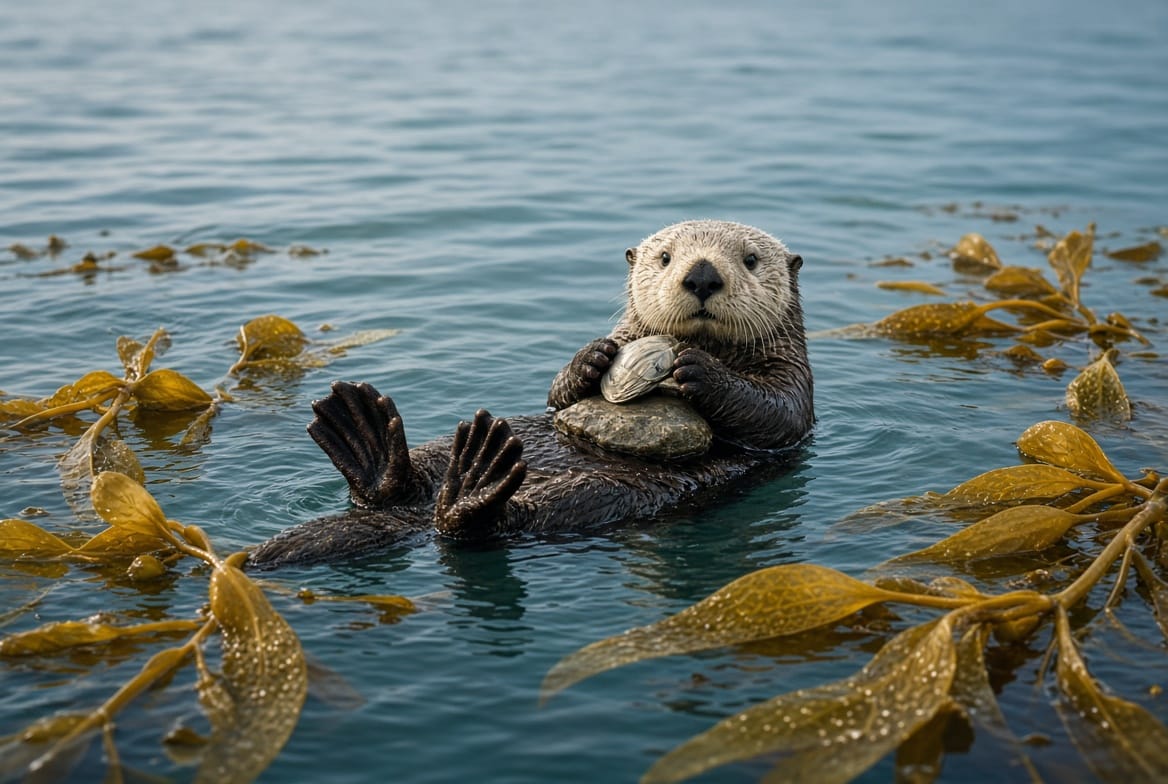
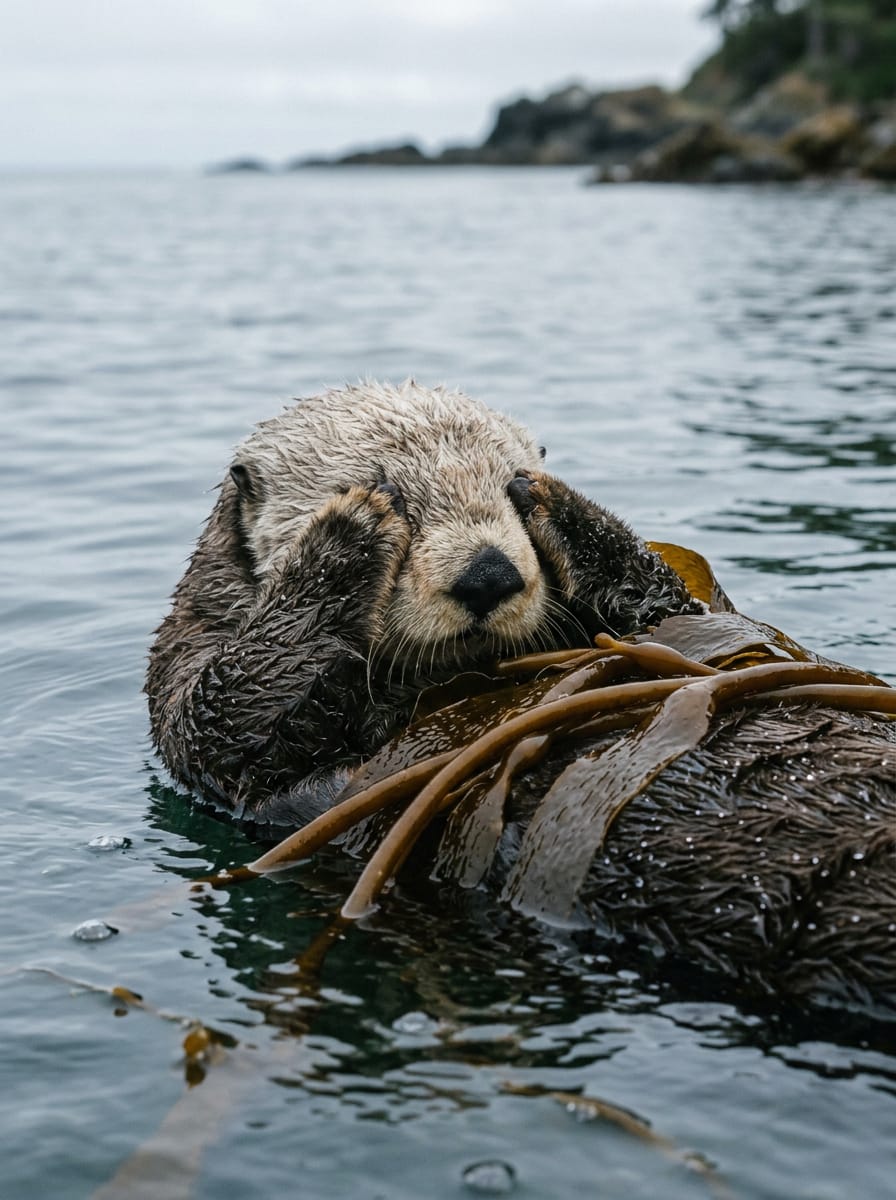
The sea otter is the largest member of the weasel family and one of the few marine mammals with no blubber at all. It stays warm on fur alone, up to a million hairs per square inch, and pays for it by eating about a quarter of its body weight every day. That appetite makes it a keystone species. By eating sea urchins it keeps them from stripping kelp forests bare, and in a California estuary it eats the burrowing crabs that tear salt marsh banks apart. It floats on its back to eat, cracks hard shells open with a rock, and stashes food in loose pockets of skin under each forearm while it dives.
Origin
Coastal waters of the North Pacific: Alaska and the Aleutian Islands, the Kuril Islands off Russia, and central California. Nearly all of them live off Alaska and Russia.
Habitat
OceanNotable Traits
- •Densest fur of any animal, and no insulating blubber
- •Eats about a quarter of its body weight every day
- •Uses rocks as tools to crack open hard-shelled prey
- •Carries food in skin pockets under each forearm
- •Keystone predator of kelp forests and salt marshes
Conservation
Endangered on the IUCN Red List. The fur trade of the 1700s and 1800s nearly wiped the species out, and California was down to about 50 otters found off Big Sur in 1938. Around 168,000 now live off Alaska and Russia. The southern sea otter of California numbers around 3,000 and is listed as Threatened under the US Endangered Species Act.
🤯 Fun Facts
📁 Related Files
🐾 More Beastfiles
Marine Life
Cuttlefish
It puts on the best color display in the ocean and probably cannot see color.
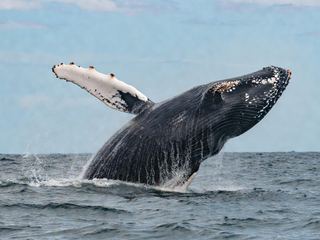
Marine Life
Humpback Whale
Every male in an ocean sings the same song, and the song changes together.
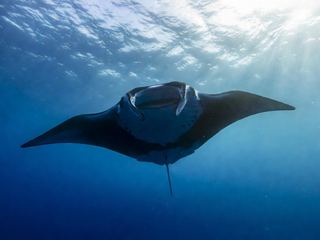
Marine Life
Giant Manta Ray
Seven meters across, filter-feeding, and one of the few fish to pass a mirror test.
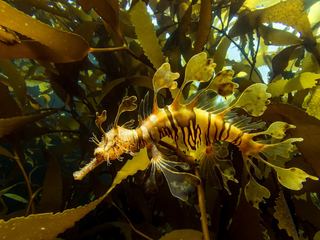
Marine Life
Leafy Sea Dragon
A relative of the seahorse pretending, very convincingly, to be seaweed.