Beastfile · Marine Life
Giant Manta Ray
Mobula birostris
Also known as Oceanic Manta, Devil Ray
Seven meters across, filter-feeding, and one of the few fish to pass a mirror test.
On This Page▾
Overview
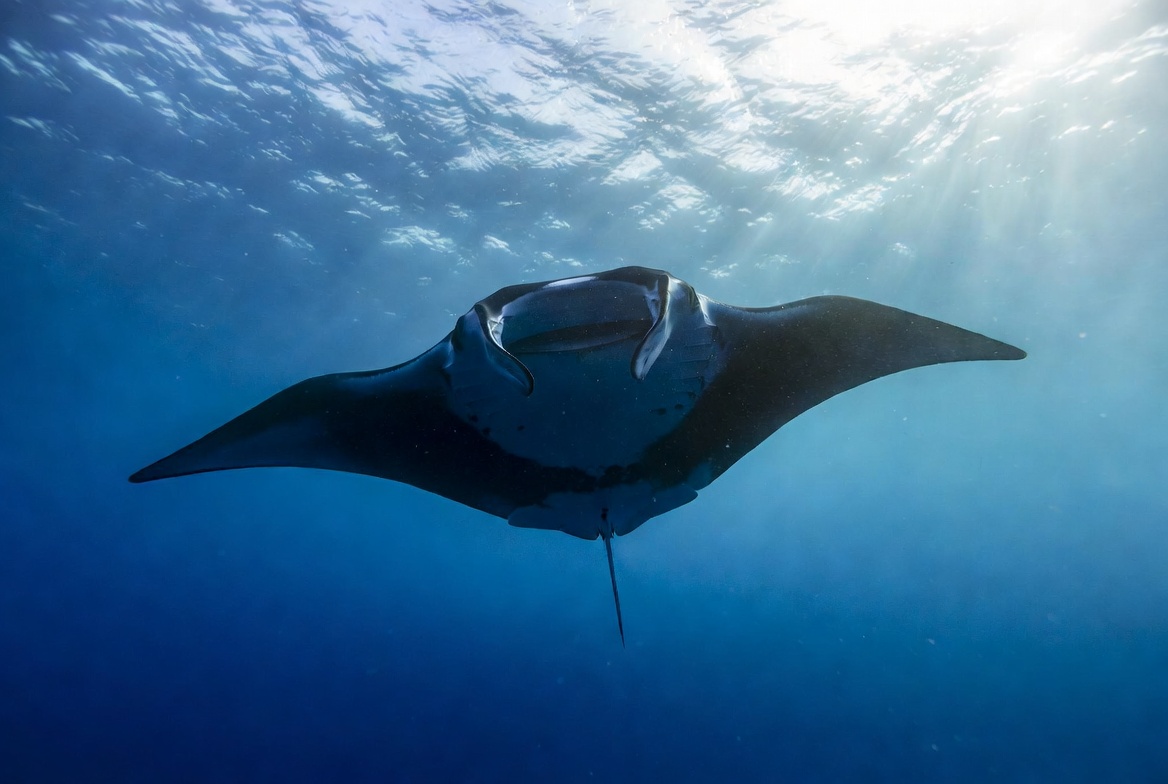
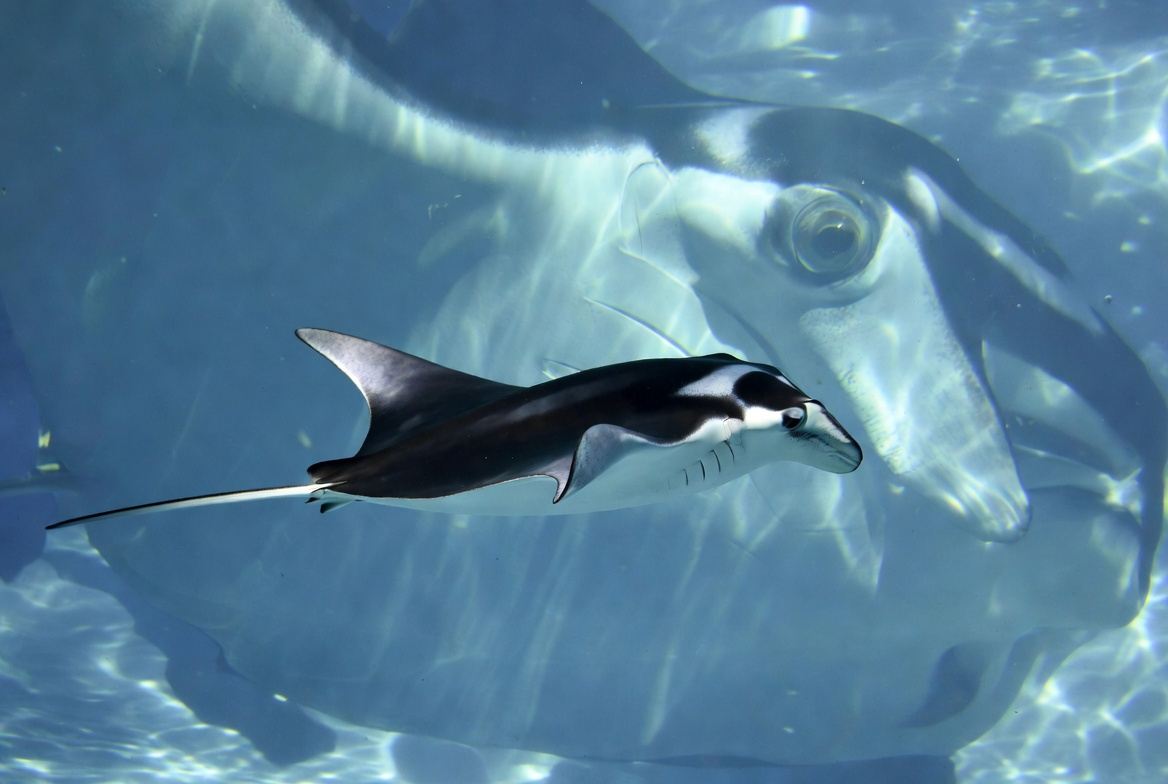
The giant manta is the largest ray in the world, reaching around seven meters across the wings, and it eats some of the smallest food in the ocean. It swims with its mouth open, funnelling plankton in with a pair of forward-curling cephalic fins and straining it through gill plates. Despite the old name devil ray it has no sting and poses no danger to people. Mantas have the largest brain relative to body size of any fish, and one study reported behavior consistent with self-recognition in a mirror, which is rare outside a small set of mammals and birds.
Origin
Tropical, subtropical and warm temperate waters worldwide, mostly offshore and oceanic, gathering at coastal cleaning stations and seasonal feeding grounds.
Habitat
OceanNotable Traits
- •Wingspan up to about seven meters
- •Filter-feeds on plankton using cephalic fins and gill plates
- •The largest brain-to-body ratio of any fish
- •Has no sting, unlike stingrays
- •Individually identifiable by the spot pattern on its belly
Conservation
Endangered. Mantas are slow to reproduce, often bearing a single pup at long intervals, so populations recover badly from bycatch and from targeted fishing for their gill plates.
🤯 Fun Facts
🐾 More Beastfiles
Marine Life
Bottlenose Dolphin
Every dolphin invents a name for itself and answers to it for life.
Marine Life
Clownfish
Every clownfish is born male, and the largest one becomes female.
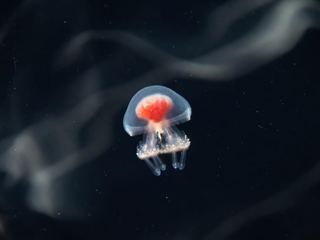
Marine Life
Immortal Jellyfish
It can run its own life cycle backwards, which is not the same as not dying.
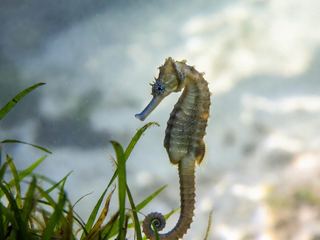
Marine Life
Seahorse
The male gets pregnant, and it is a real pregnancy, not just carrying eggs.