Beastfile · Amphibians
Blue Poison Dart Frog
Dendrobates tinctorius "azureus"
Also known as Okopipi
Bright enough to be a warning, and only toxic because of what it eats.
On This Page▾
Overview
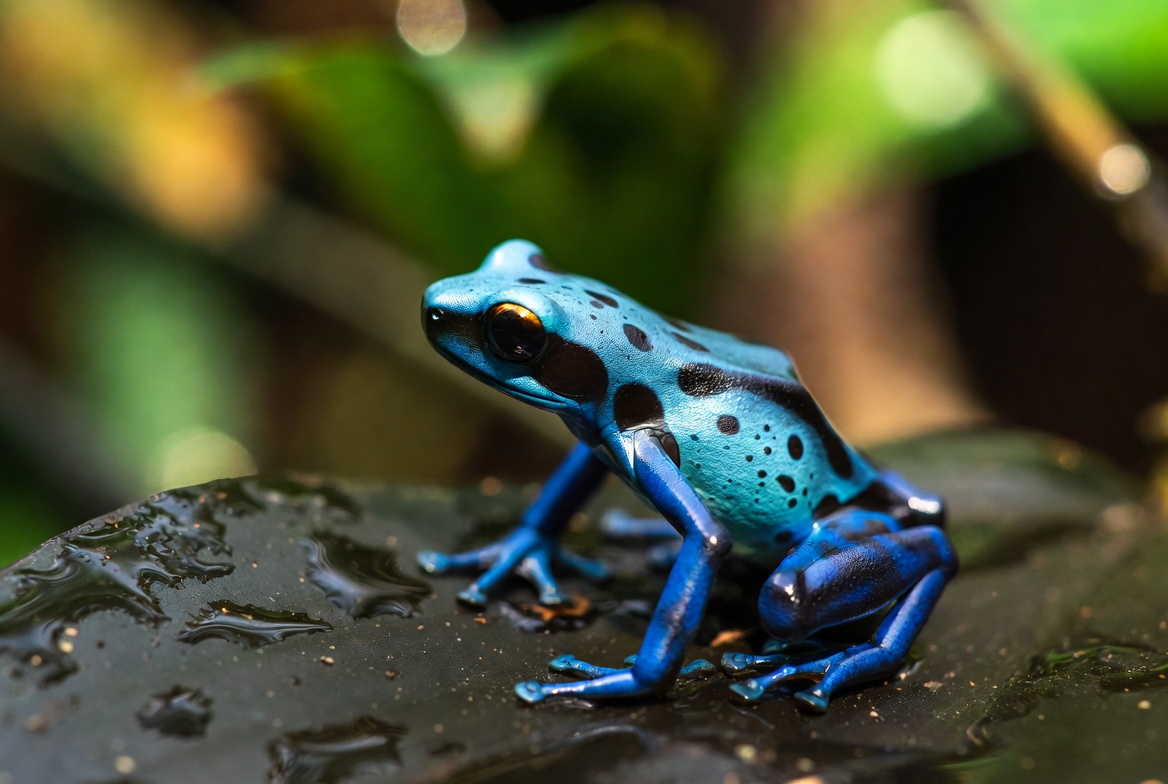
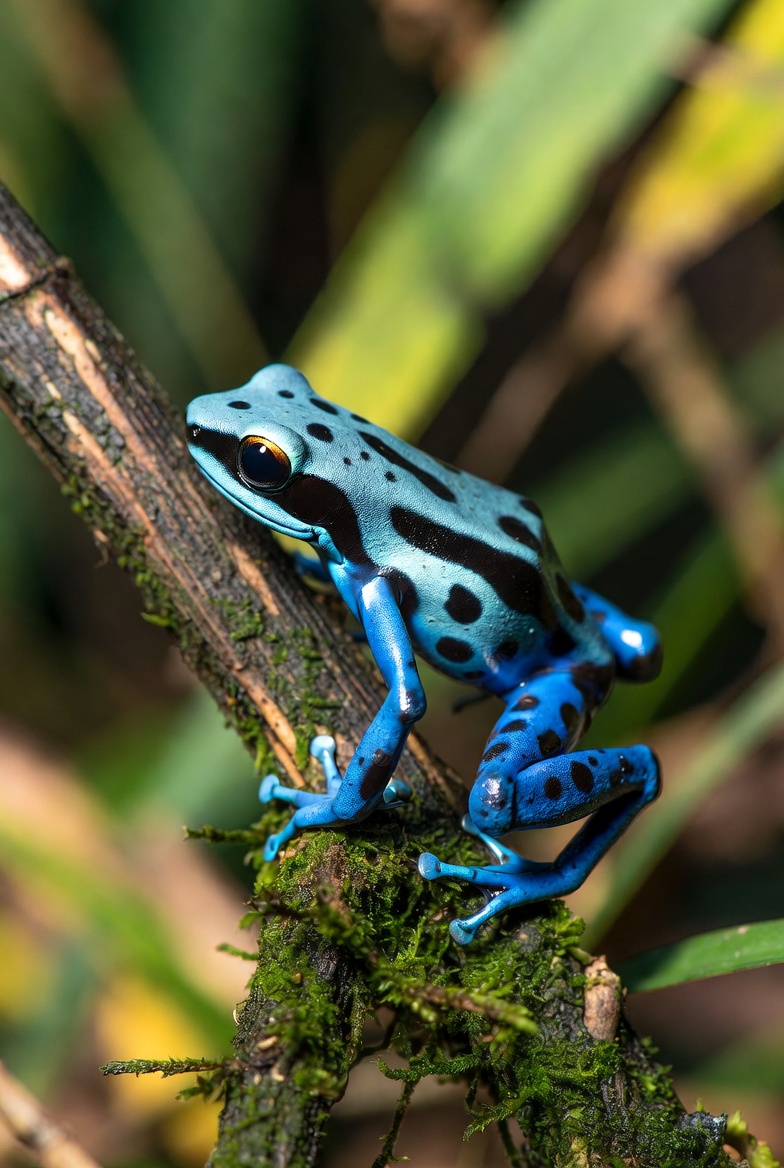
This is a small cobalt-blue frog, spotted with black, from a handful of forest islands in southern Suriname. The color is aposematic: it advertises toxicity rather than hiding it, and predators learn to leave it alone. The important detail is that the toxicity is borrowed. Poison dart frogs do not manufacture their alkaloid defenses from scratch; they sequester them from a diet of mites, ants and other small arthropods. Raised on captive-bred insects, they are effectively harmless, which is why frogs in collections carry no danger at all.
Origin
The Sipaliwini savannah of southern Suriname, in small patches of rainforest surrounded by open grassland, effectively isolated from one another.
Habitat
RainforestNotable Traits
- •Toxicity is acquired from wild prey, not produced by the frog
- •Bright blue as a warning rather than camouflage
- •Each individual carries a unique pattern of black spots
- •Males carry tadpoles on their backs to water
- •Active by day, unlike most frogs
Conservation
The wider species is not considered broadly threatened, but this blue form has a very small and fragmented range, which leaves it exposed to habitat change and collection.
🤯 Fun Facts
🐾 More Beastfiles
Amphibians
Axolotl
A salamander that never grows up, and regrows almost anything.
Amphibians
Glass Frog
You can watch its heart beat through its own skin.
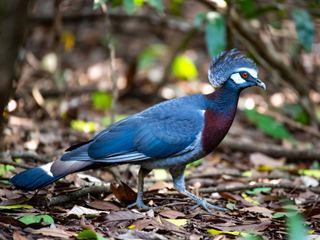
Birds
Victoria Crowned Pigeon
A turkey-sized pigeon wearing a crown of lace.
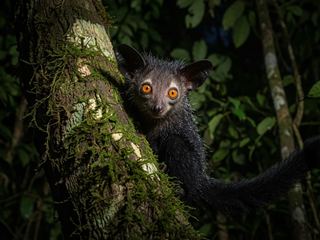
Mammals
Aye-Aye
A nocturnal lemur that hunts grubs by tapping on wood and listening.