Beastfile · Amphibians
Axolotl
Ambystoma mexicanum
Also known as Mexican Walking Fish
A salamander that never grows up, and regrows almost anything.
On This Page▾
Overview
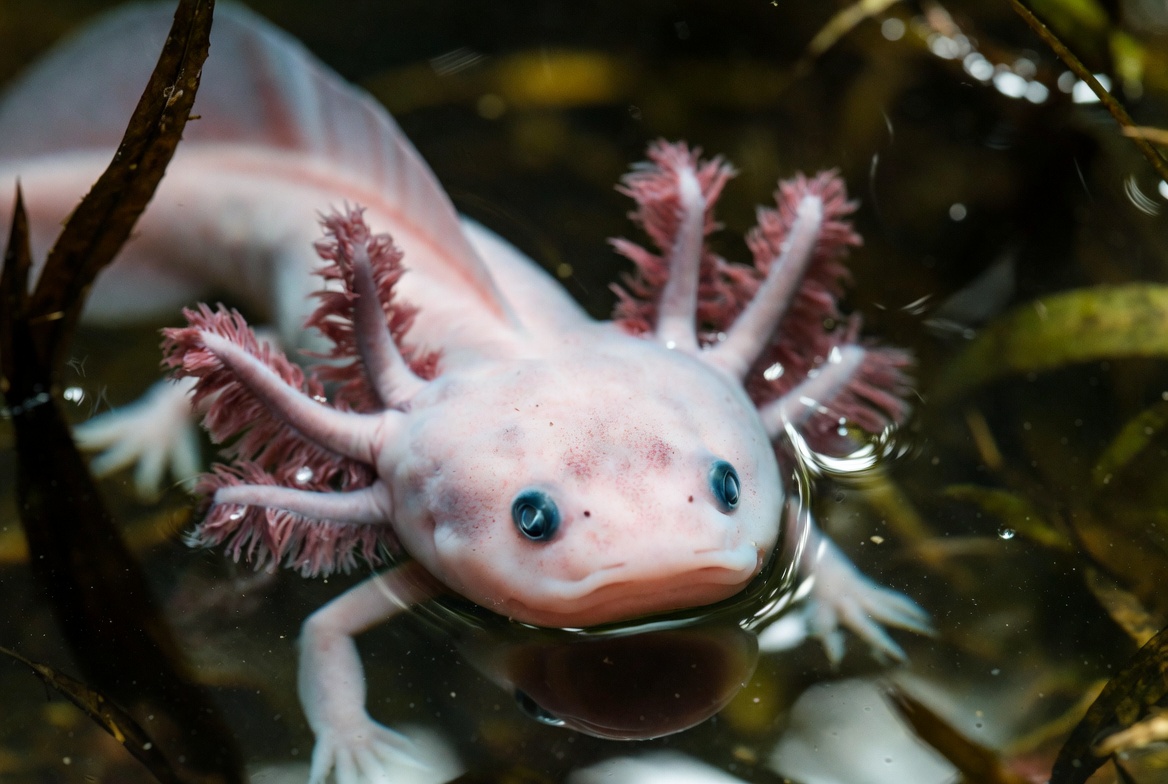
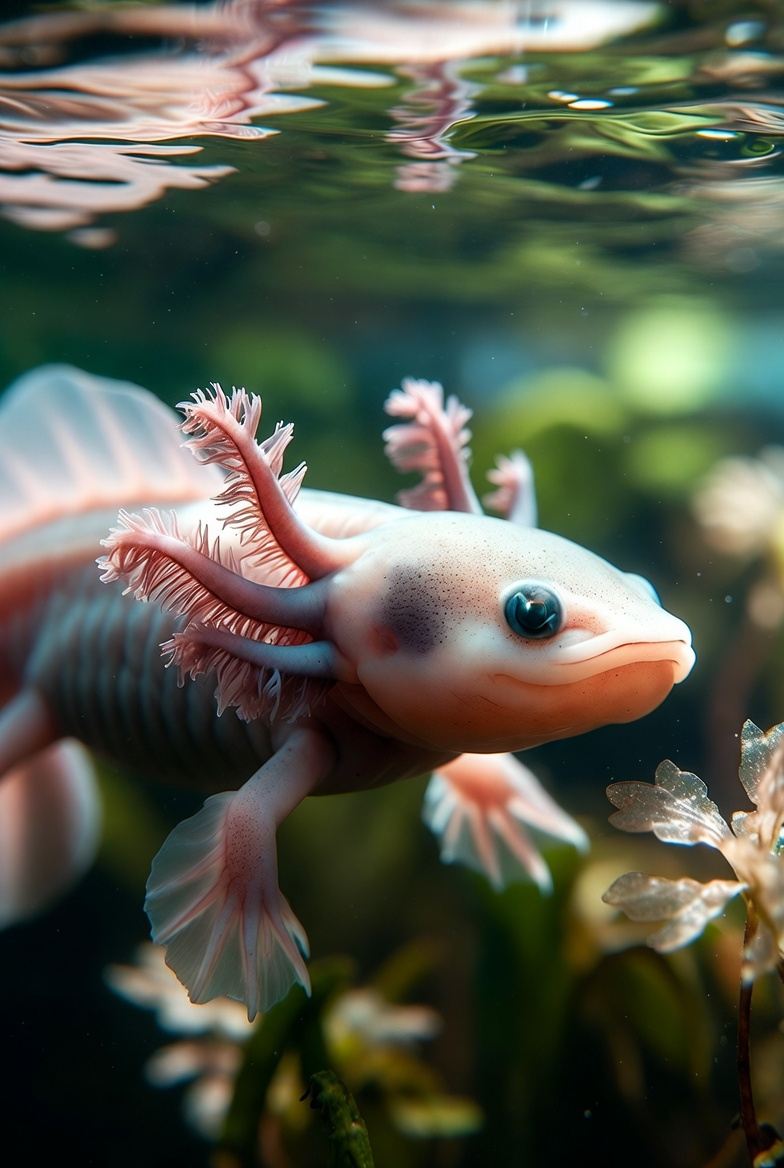
The axolotl is a salamander that stays a larva for life. Most amphibians metamorphose, losing their gills and moving onto land; the axolotl keeps its feathery external gills, keeps its tail fin and simply breeds in the larval form, a condition called neoteny. It is also the most capable regenerator among vertebrates, rebuilding not just limbs but jaw, spinal cord and parts of the heart and brain, with little or no scarring. It is abundant in laboratories and home aquariums worldwide, and almost gone from the single wild place it comes from.
Origin
Endemic to the lake system of Xochimilco in Mexico City, now reduced to a network of canals and channels that is a fraction of the original wetland.
Habitat
FreshwaterNotable Traits
- •Stays in larval form for life, keeping external gills
- •Regrows limbs, spinal cord, jaw and parts of the heart and brain
- •Regenerates with little or no scar tissue
- •Breathes through gills, skin and simple lungs
- •Wild color is dark and mottled; the familiar pink is a captive variant
Conservation
Critically Endangered in the wild, with surveys finding very few remaining individuals, driven by urban expansion, water quality and introduced fish. The species is nonetheless extremely common in captivity, which makes its status easy to misread.
🤯 Fun Facts
📁 Related Files
🐾 More Beastfiles
Amphibians
Glass Frog
You can watch its heart beat through its own skin.
Amphibians
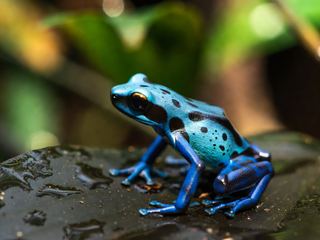
Blue Poison Dart Frog
Bright enough to be a warning, and only toxic because of what it eats.
Mammals
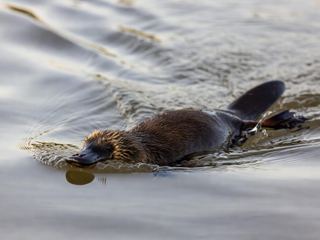
Platypus
Lays eggs, detects electricity, has venom, and glows under ultraviolet light.
Birds
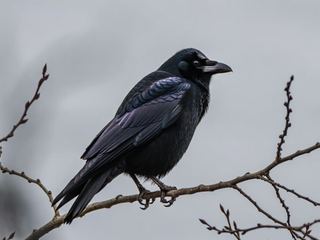
Crow
It remembers your face, holds a grudge, and tells other crows about you.
Kept as a pet? See the Axolotl care entry in the Encyclopedia