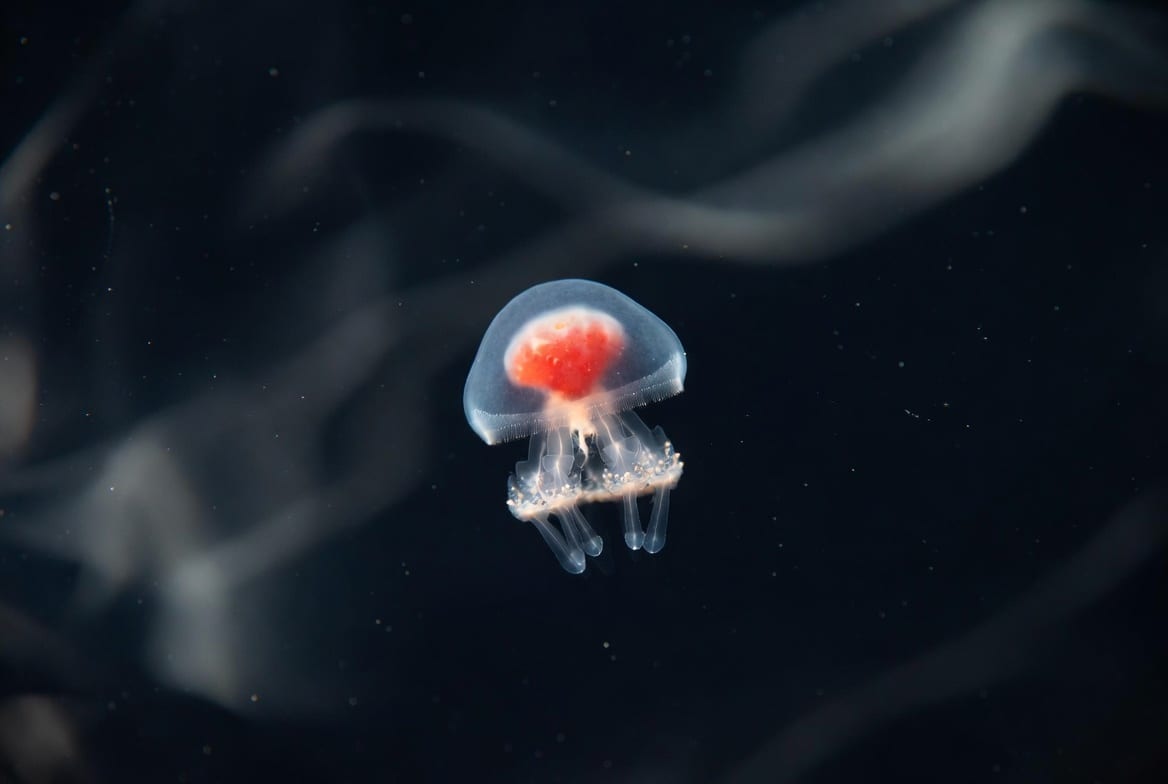
Beastfile · Marine Life
Immortal Jellyfish
Turritopsis dohrnii
It can run its own life cycle backwards, which is not the same as not dying.
On This Page▾
Overview
A jellyfish normally goes one way: polyp fixed to the seabed, then free-swimming medusa, then death. Turritopsis dohrnii can reverse it. Injured, starved or simply stressed, an adult medusa can settle, reabsorb its own tentacles and revert to a polyp colony, its cells converting from one type directly into another. In principle it can do this indefinitely, which is where the name came from. In practice it is a four millimeter animal that gets eaten, infected and killed constantly. Biologically open-ended is not the same as immortal, and the distinction is the whole story.
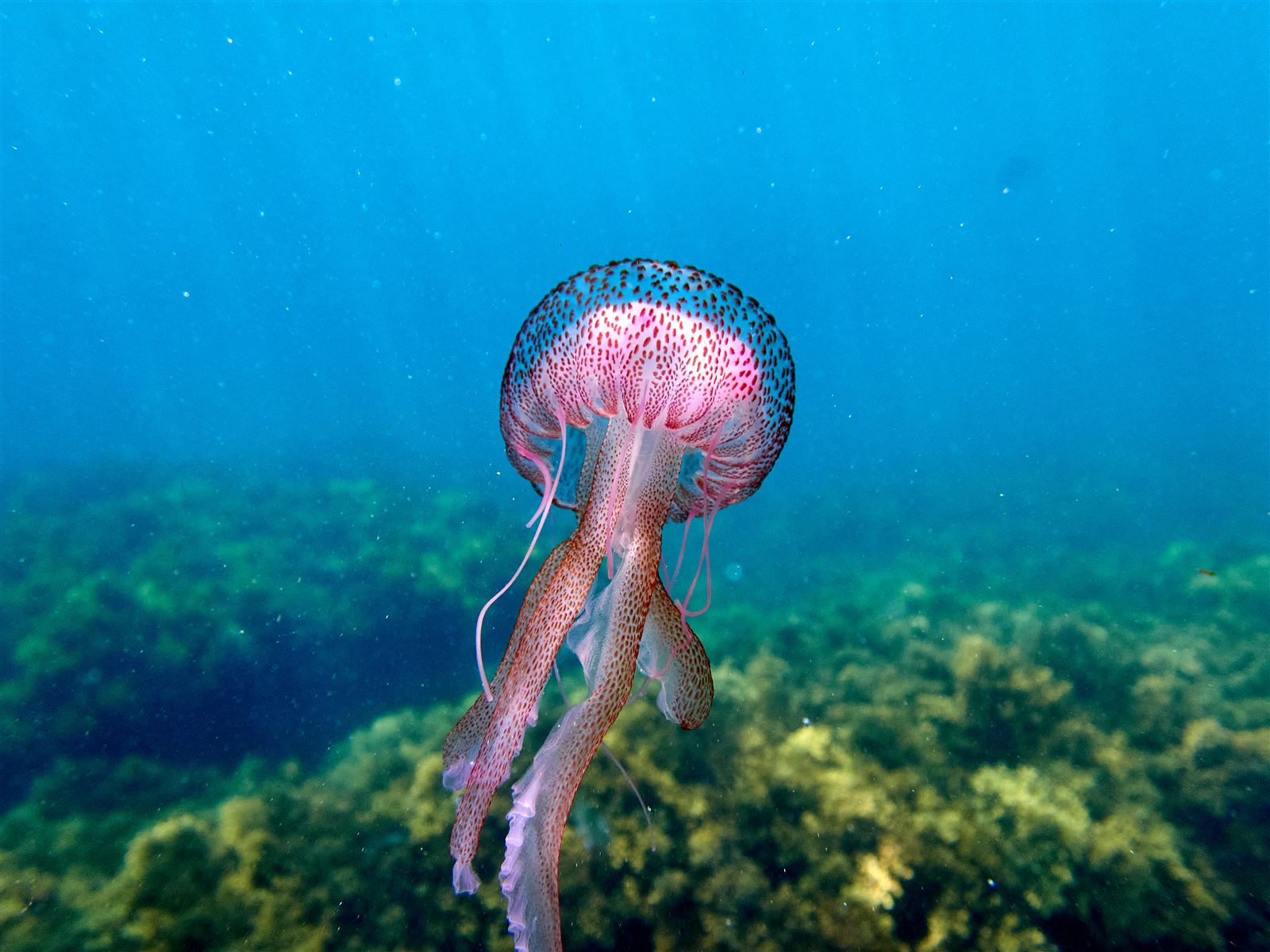
Origin
Originally described from the Mediterranean and now recorded worldwide in warm and temperate coastal water, apparently spread in ships’ ballast.
Habitat
OceanNotable Traits
- •Reverts from adult medusa back to polyp under stress
- •Cells convert directly from one type to another
- •About four millimeters across, smaller than a fingernail
- •Still dies easily to predators and disease
- •Now found worldwide, likely carried in ballast water
Conservation
Not assessed. It is small, widespread and apparently spreading, so it is not a conservation concern; the interest in it is medical rather than protective.
🤯 Fun Facts
📁 Related Files
🐾 More Beastfiles
Marine Life
Sharks
Older than trees, older than Saturn’s rings, and barely a threat to anyone.
Marine Life
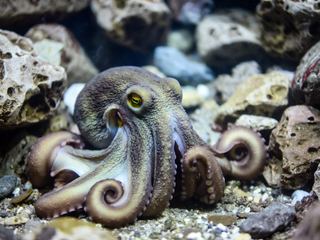
Octopus
Three hearts, blue blood, and most of its neurons outside its head.
Marine Life
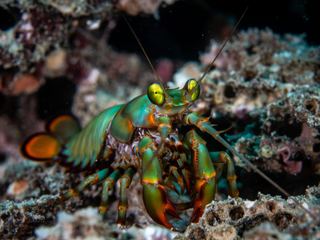
Mantis Shrimp
The famous eyes are real. The famous conclusion about them is wrong.
Marine Life
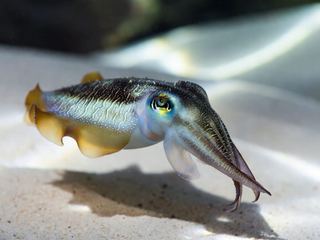
Cuttlefish
It puts on the best color display in the ocean and probably cannot see color.