Beastfile · Birds
Flamingos
Phoenicopteridae
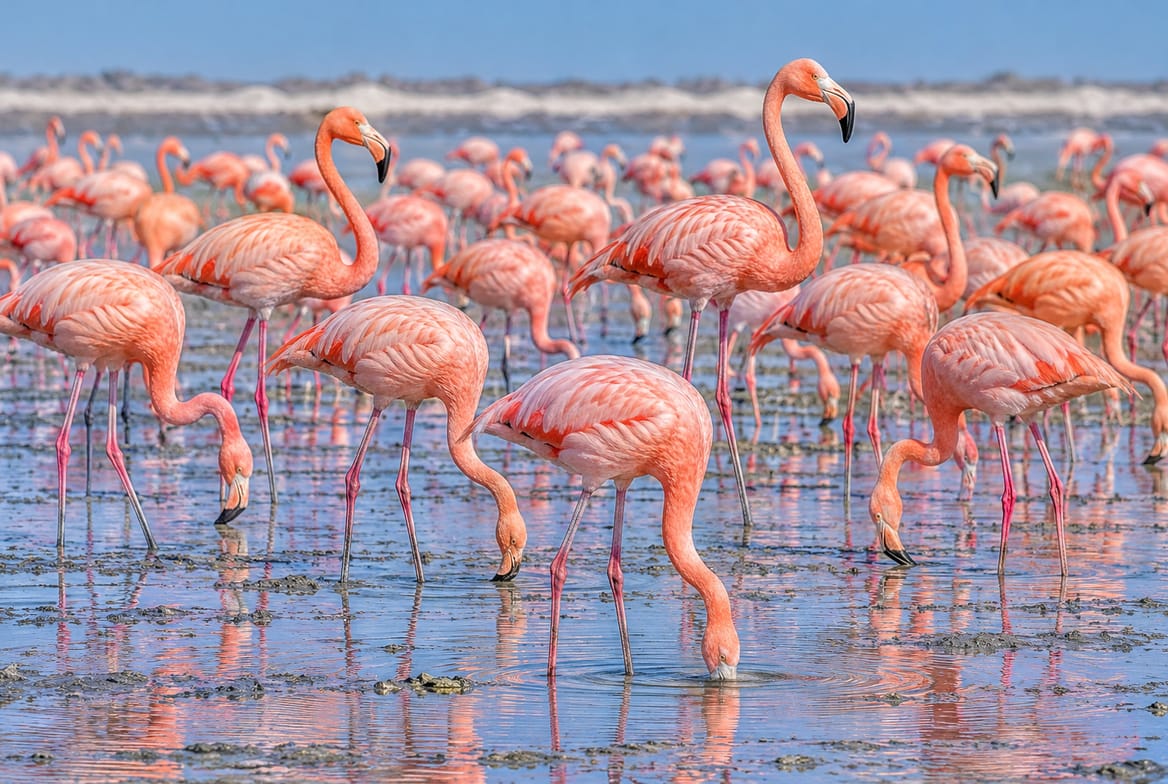
They eat with their heads upside down and feed their chicks a red milk.
On This Page▾
Overview
Flamingos eat upside down. The lower bill is spoon-shaped, the upper jaw is hinged, and bony projections lining the inside of the bill strain small organisms out of the water as the head is held inverted in still shallows. There are six species in three genera, from the Andean flamingo, which lives at 2,300 to 4,500 meters, to the greater flamingo of Africa and southern Eurasia. They gather in flocks that can number in the thousands, and larger flocks breed more successfully. Parents also feed chicks crop milk that is red or pink and rich in carotenoids, and they spend up to 35 percent of their time preening, far more than most waterfowl.
Origin
Warm, still shallows in Africa, southern Eurasia, the northern Neotropics and southern South America, including Andean lakes at up to 4,500 meters.
Habitat
WetlandsNotable Traits
- •Feeds upside down, straining food through the bill
- •Six species in three genera
- •Chicks are fed red or pink crop milk
- •Flocks of thousands, with larger flocks breeding better
- •Preens for up to 35 percent of the day
Conservation
Mixed across the six species. The Andean flamingo is Vulnerable, the Puna, Chilean and lesser flamingos are Near Threatened, and the American and greater flamingos are Least Concern. Lake Natron in Tanzania is the most important lesser flamingo colony, and soda ash mining there is a standing threat.
Fun Facts
Related Files
More Beastfiles
Birds
Emperor Penguin
Penguins do not mate for life, and the huddle is a moving machine.
Birds
Crow
It remembers your face, holds a grudge, and tells other crows about you.
Birds
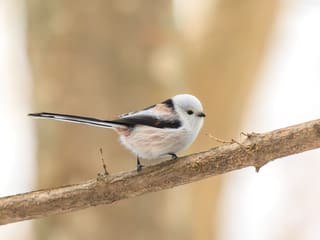
Shima Enaga
A wild bird so round and white it gets mistaken for a plush toy.
Birds
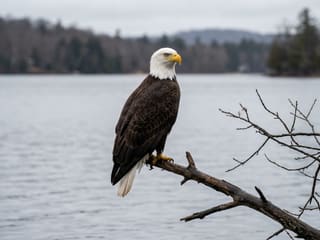
Bald Eagle
A bird that went from 417 nesting pairs to a fixture on winter rivers.