Beastfile · Birds
Emperor Penguin
Aptenodytes forsteri
Penguins do not mate for life, and the huddle is a moving machine.
On This Page▾
Overview
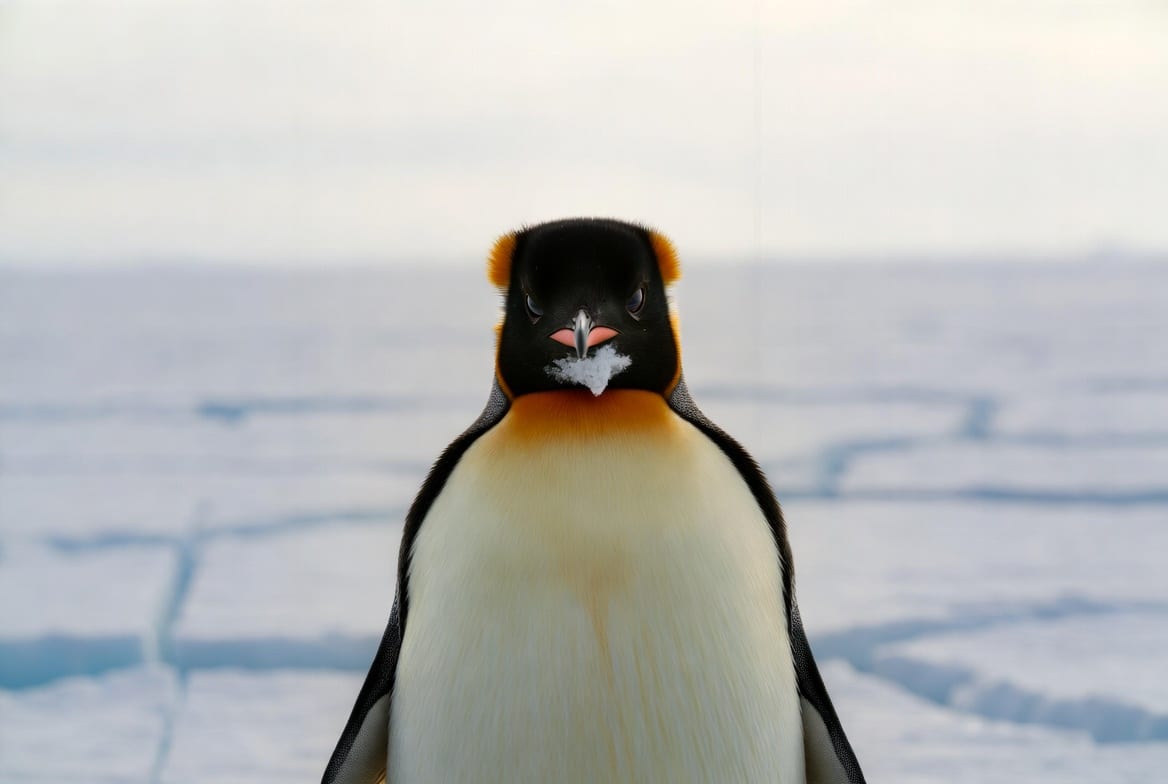
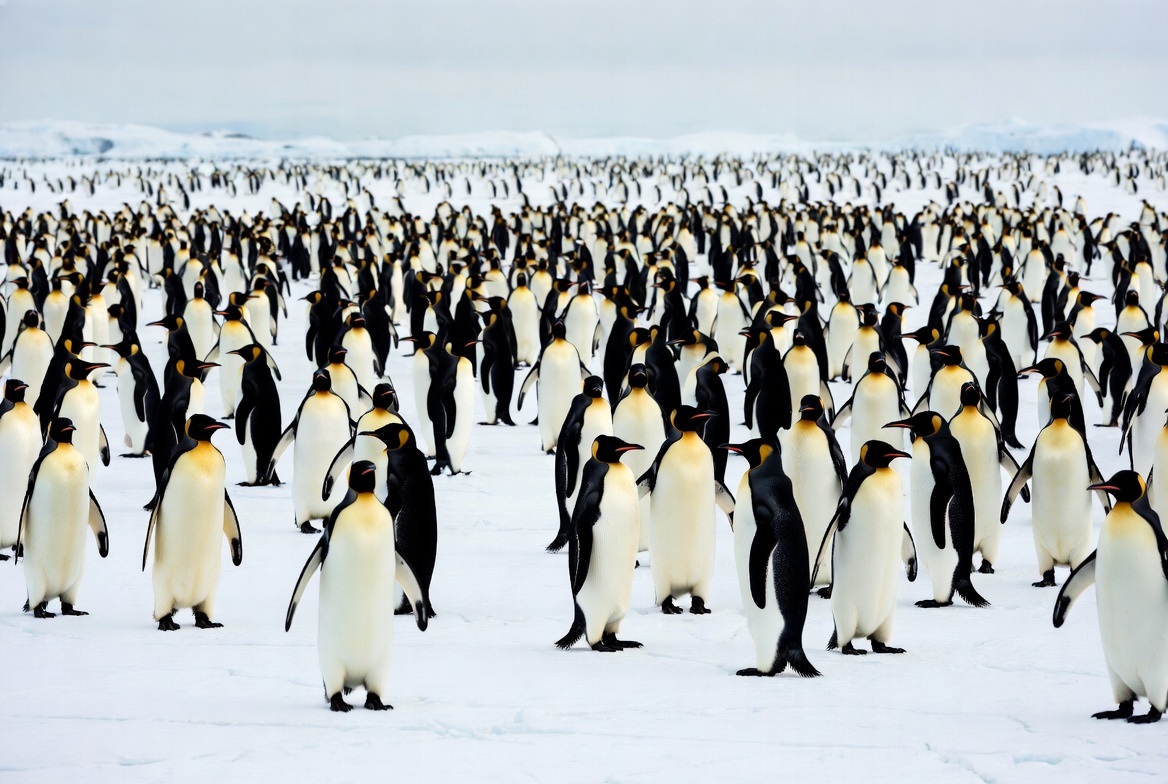
Emperor penguins breed through the Antarctic winter, on sea ice, in the dark, which is a set of conditions nothing else attempts. The male incubates a single egg on his feet under a fold of skin for around two months without eating, losing a large fraction of his body weight while the female is at sea feeding. The huddle they form is not a static scrum: it moves in slow waves as birds on the windward edge shuffle toward the middle, so exposure gets shared out. The lifelong-devotion story is the one thing here that is not true. Most pairs re-pair with someone else the following season.
Origin
Antarctic coastal sea ice, breeding in colonies on fast ice attached to the continent and feeding in the surrounding Southern Ocean.
Habitat
ArcticNotable Traits
- •Breeds through the Antarctic winter on sea ice
- •The male incubates the egg on his feet for around two months
- •Huddles rotate so exposure is shared
- •Dives deeper than any other bird
- •Most pairs change partners between seasons
Conservation
Near Threatened and directly exposed to sea ice loss. The species breeds on fast ice, so ice that forms late or breaks up early can wipe out a colony’s entire season.
🤯 Fun Facts
📁 Related Files
🐾 More Beastfiles
Birds
Crow
It remembers your face, holds a grudge, and tells other crows about you.
Birds
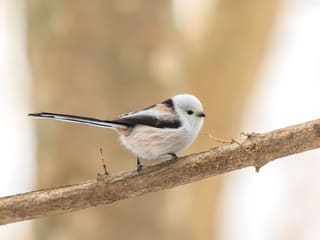
Shima Enaga
A wild bird so round and white it gets mistaken for a plush toy.
Birds
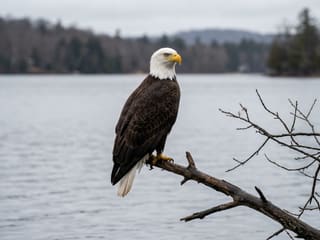
Bald Eagle
A bird that went from 417 nesting pairs to a fixture on winter rivers.
Birds
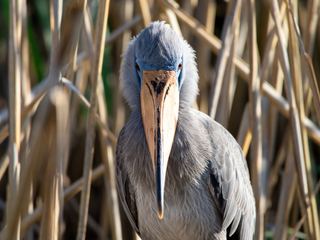
Shoebill
A meter-tall bird that hunts by standing perfectly still for hours.