Beastfile · Other
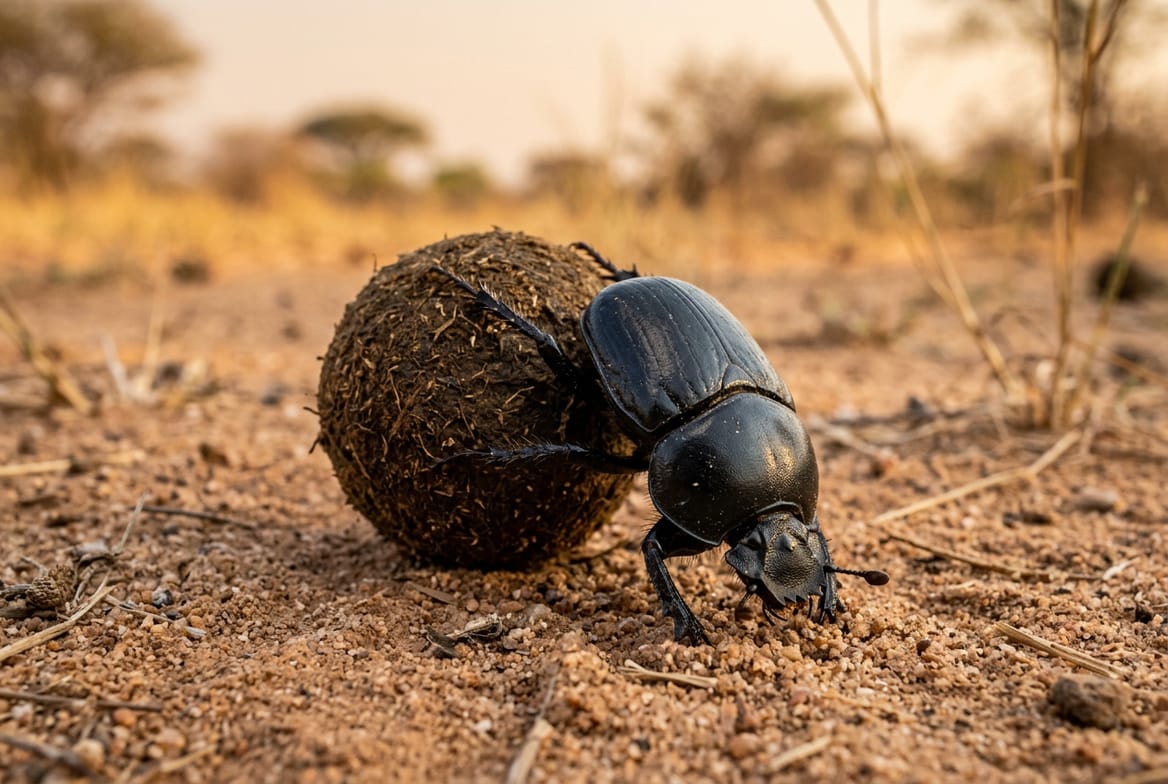
Dung Beetles
Scarabaeinae
Also known as True Dung Beetles
Only a minority roll the ball, but all of them are in a race against every other beetle at the pile.
On This Page▾
Overview
Dung beetles are famous for rolling balls, yet the rollers are only a minority. Tunnelers bury dung right where they find it, and dwellers simply move into the pat. Whichever way they do it, the work is fast because dung is scarce and competition is fierce: rollers move balls 10 to 30 times their own size, and in extreme cases a beetle has rolled a ball 79 times its own weight up to 200 meters. Sizes run from about 2 millimeters to the 70 millimeter elephant dung beetles of Africa and Asia. They have been around since the time of the dinosaurs and live on every continent except Antarctica.
Origin
Every continent except Antarctica, wherever herbivore and omnivore dung is on the ground.
Habitat
WorldwideNotable Traits
- •Rollers, tunnelers and dwellers: three ways of handling dung
- •Rollers are only a minority of species
- •Sizes from about 2 mm to 70 mm
- •Adults smell fresh dung with their antennae and fly to it
- •Females lay eggs on dung, sometimes in a brood ball bound with saliva
Conservation
IUCN assessment of dung beetles is just beginning: the IUCN SSC Dung Beetle Specialist Group was formed in 2022, and Red List work began with about 400 South African species. Experts name habitat loss and fragmentation, changes in dung supply as mammal communities shift, pesticide overuse and climate change as pressures, and livestock wormers can make dung toxic.
Fun Facts
More Beastfiles
Other
Tardigrades
A half-millimeter animal with eight legs that turns up in moss, lakes and the deep sea.
Other
Western Honeybee
Famous as a hive animal, but wild colonies live in tree holes, chimneys and even old mailboxes.
Birds
Owls
Over 200 species, from sparrow-sized to eagle-sized, and some can hunt in total darkness.
Mammals
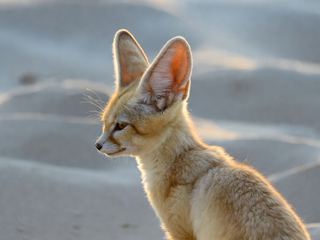
Fennec Fox
The smallest fox alive, built almost entirely around its ears.