Beastfile · Mammals
African Elephant
Loxodonta africana
Most of an elephant herd’s conversation happens below what you can hear.
On This Page▾
Overview
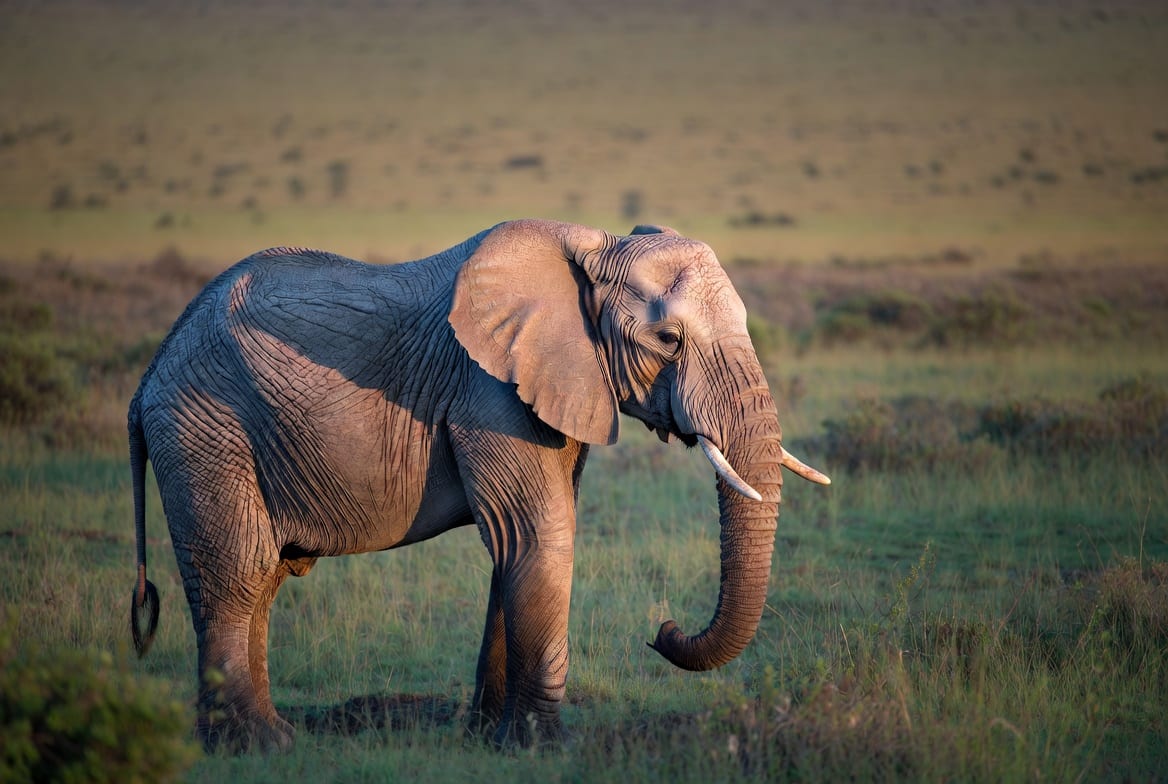
Elephants talk mostly in frequencies below human hearing. Their rumbles run down to around 14 hertz, low enough that the sound carries for kilometers across open country instead of dissipating, and part of it travels through the ground as well as the air. Elephants pick up those vibrations through their feet and trunk and can orient toward a call from far outside sight. The trunk itself is a boneless structure of tens of thousands of muscle units, precise enough to pick up a single seed and strong enough to break a branch. Herds are matriarchies led by the oldest female, whose memory of water in a drought year is a survival asset for everyone.
Origin
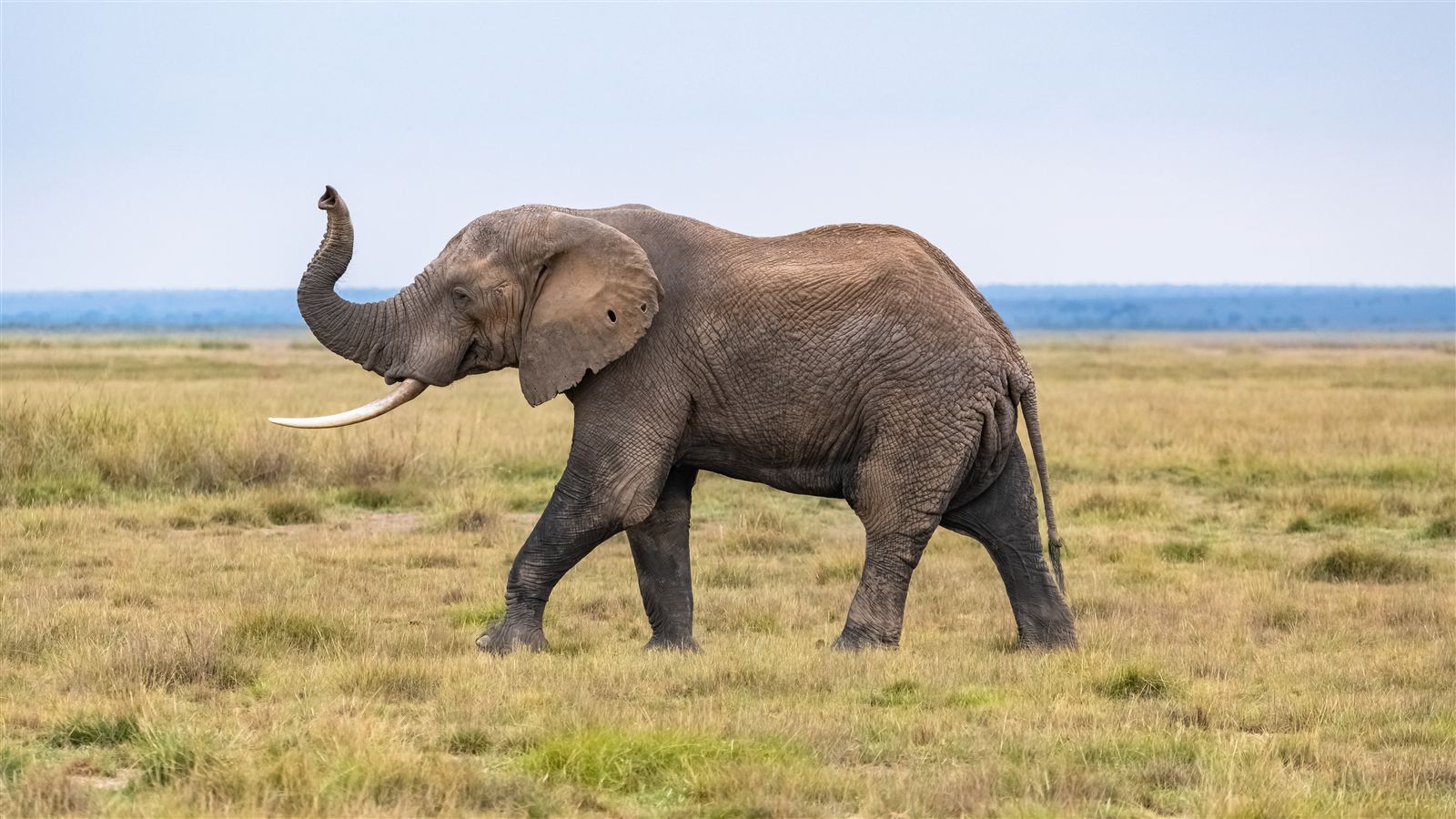
Sub-Saharan Africa, in savannah, open woodland, marsh and semi-desert, with the largest remaining populations in southern and eastern Africa.
Habitat
SavannahNotable Traits
- •Rumbles below human hearing that carry for kilometers
- •Detects ground vibration through its feet
- •A trunk with tens of thousands of muscle units and no bone
- •Matriarchal herds led by the oldest female
- •Investigates and returns to the bones of its dead
Conservation
Endangered. Ivory poaching remains a pressure, but habitat loss and the fragmentation of migration routes are now at least as serious, and elephants and farmers increasingly end up on the same land.
🤯 Fun Facts
📁 Related Files
🐾 More Beastfiles

Mammals
Three-Toed Sloth
It climbs all the way down once a week to defecate, and it often dies doing it.
Mammals
Gray Wolf
There is no alpha wolf. The researcher who popularized the idea spent years retracting it.
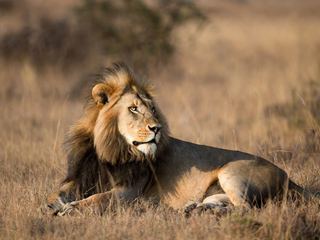
Mammals
Lion
The only cat that lives in a group, and the females run it.

Mammals
Tiger
Every wild tiger left would fit inside one small town.