Beastfile · Mammals
Rhinoceros
Rhinocerotidae
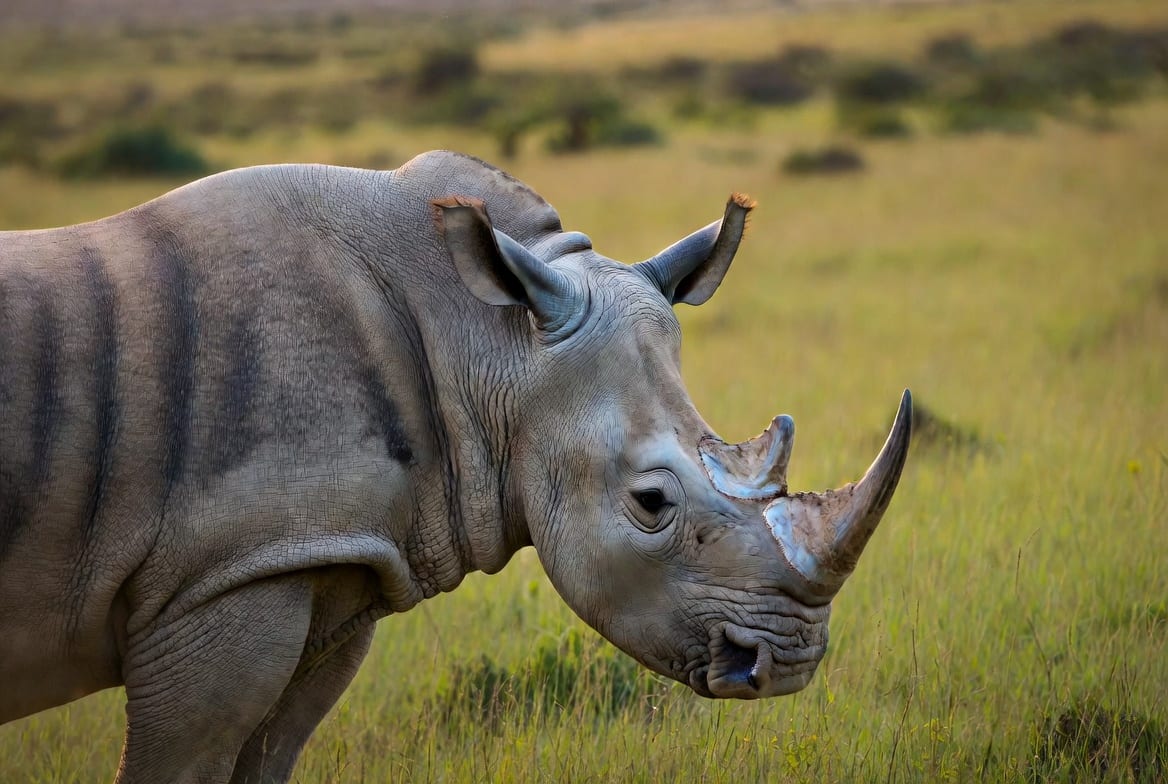
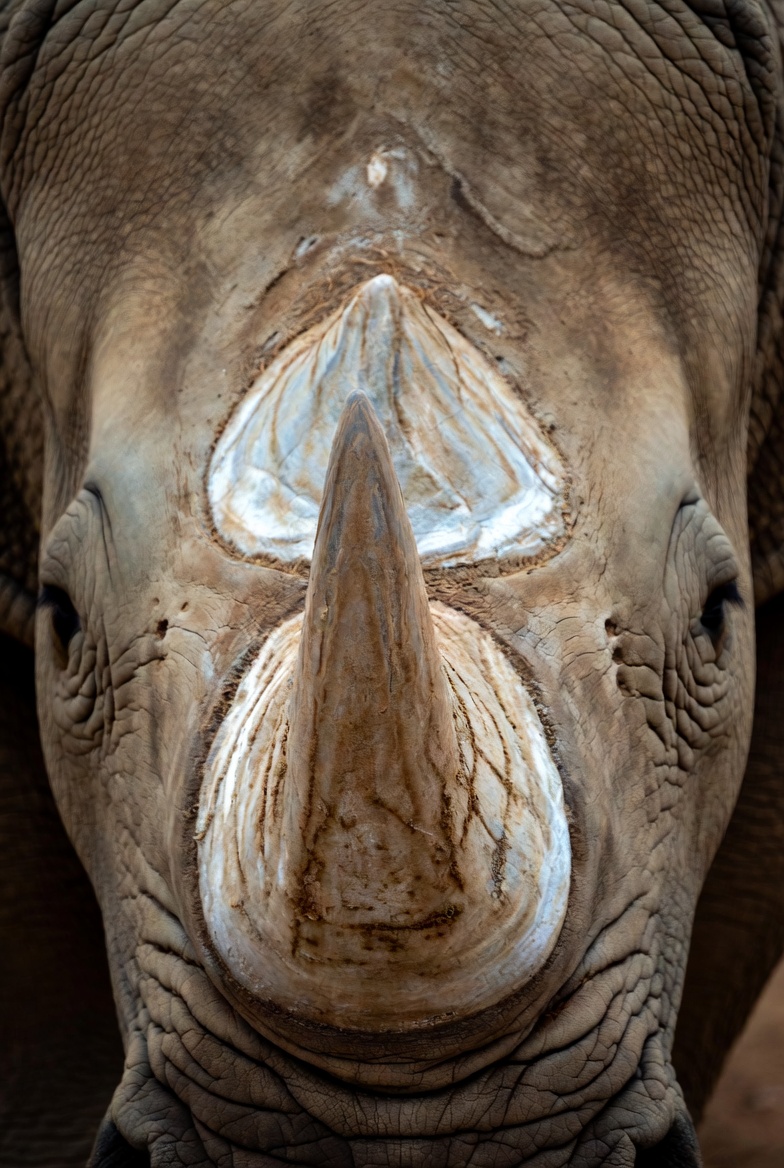
The horn is not ivory and not bone. It is the same protein as your fingernails.
On This Page▾
Overview
A rhino horn has no bony core. It grows out of the skin and is compacted keratin the whole way through, the same protein as hair, hooves and fingernails, which makes it structurally closer to an enormous callus than to a cow’s horn. Because there is no bone and it grows continuously from the base, it regrows after being cut above the growth plate, and that is what makes dehorning usable as an anti-poaching measure. It is not a clean fix. Dehorned rhinos are still killed, and the horn does real work in defense and in disputes. Five species survive, and two of them are down to a few dozen animals.
Origin
Savannah, grassland and swamp in southern and eastern Africa, and forest and floodplain grassland in India, Nepal and southeast Asia.
Habitat
SavannahNotable Traits
- •Horn is compacted keratin with no bony core
- •Regrows after being cut above the growth plate
- •Poor eyesight offset by excellent hearing and smell
- •Five surviving species, two of them nearly gone
- •Can reach around 50 kilometers an hour despite its bulk
Conservation
Severe and uneven. White and greater one-horned rhinos have recovered substantially from very low numbers, while the Javan and Sumatran species are Critically Endangered with populations counted in dozens.
🤯 Fun Facts
📁 Related Files
🐾 More Beastfiles
Mammals
Wombat
The only animal that produces cube-shaped droppings, and it does it on purpose.
Mammals
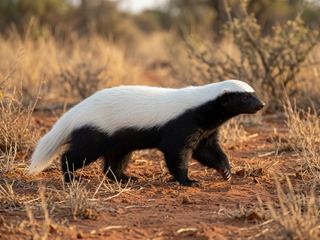
Honey Badger
Loose skin, a bad attitude, and genuine resistance to cobra venom.

Mammals
Platypus
Lays eggs, detects electricity, has venom, and glows under ultraviolet light.

Mammals
Wolverine
Thirty pounds of animal that drives bears off kills and crushes frozen bone.