Canary
Serinus canaria domestica
On This Page▾
Overview
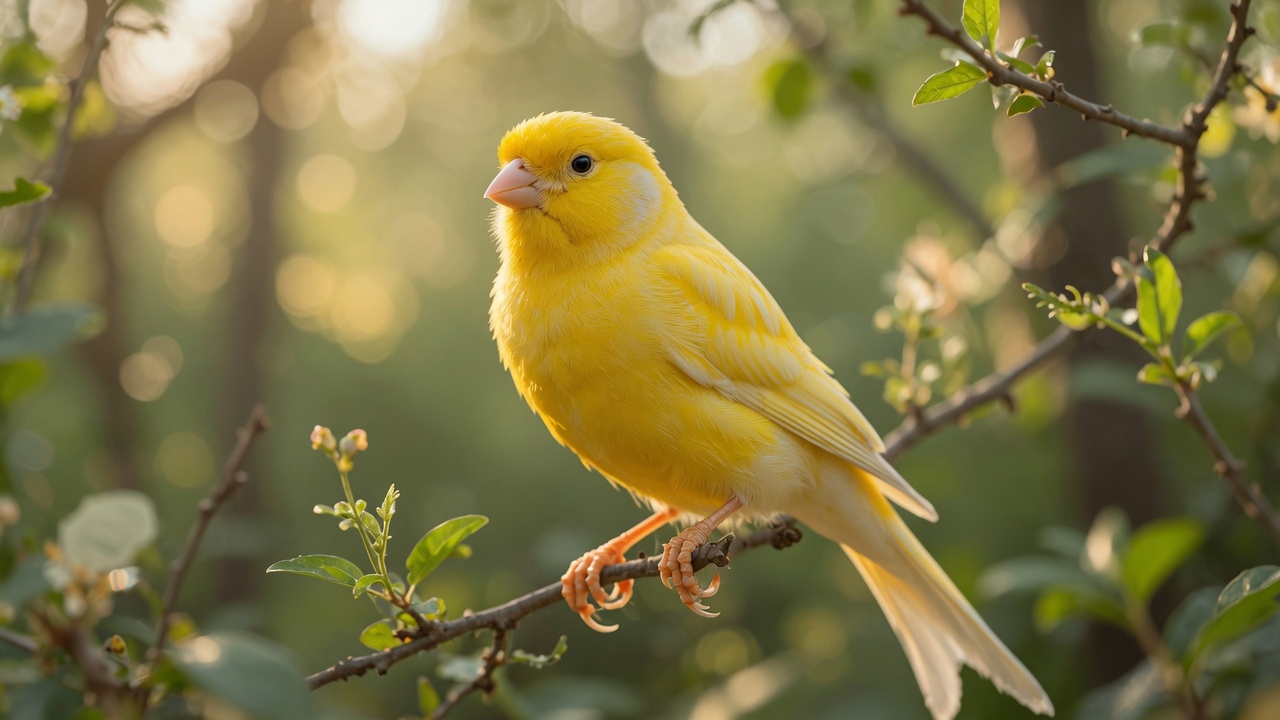
The domestic canary descends from the wild Atlantic canary, native to the Canary Islands, Azores, and Madeira, and has been selectively bred since the 16th century into distinct song and appearance varieties. Only males typically sing, a behavior tied to testosterone and daylight length, and centuries of selective breeding have produced dedicated song breeds like the Roller canary. Unlike most popular pet birds, canaries are kept primarily to be heard and watched rather than handled.
Quick Facts
Native Range
Canary Islands, Azores, and Madeira
Natural Habitat
Woodland, scrubland, and gardens
Adult Size
4.5-5 inches (11-13 cm)
Wild Diet
Seeds, with insects taken for protein especially during breeding
Wild Lifespan
A domesticated bird, so there is no wild figure; typically 6 to 12 years in captivity, up to 15, and 24 years is the longevity record
Conservation Status
Least Concern (IUCN, wild ancestor)
History
The bird's second career was underground. After investigating an explosion at the Tylorstown Colliery in South Wales in 1896, the Scottish physiologist John Scott Haldane concluded that carbon monoxide had killed the miners, and he proposed carrying sentinel animals that would show the effects of the gas before a person did. A canary suited the job: a fast metabolism and a high breathing rate meant it collapsed while there was still time to get out. British pits carried them for most of the twentieth century. The government began planning an electronic replacement in 1981, and in December 1986 Britain formally ended the practice.
Compare
Canary
Human
Adult Size
4.5-5 inches (11-13 cm)
5-6 feet (150-185 cm); ~135-200 lbs
Wild Lifespan
A domesticated bird, so there is no wild figure; typically 6 to 12 years in captivity, up to 15, and 24 years is the longevity record
~73 years (global average)
Wild Diet
Seeds, with insects taken for protein especially during breeding
Omnivorous - eats just about anything
Native Range
Canary Islands, Azores, and Madeira
Global - originated in Africa roughly 300,000 years ago
Natural Habitat
Woodland, scrubland, and gardens
Everywhere from arctic tundra to tropical megacities
Conservation Status
Least Concern (IUCN, wild ancestor)
Least Concern (8+ billion and counting)
Test Yourself
What's the Canary's native range?
Care Guide
Canary Care Guide
The tiny opera singer that would rather be heard than held!
Subscribe - it's free
New animal facts and care guides straight to your inbox. No spam.
Deep Dive
🐤 How Much Does a Canary Really Cost?
🐤 Canaries Aren't Really Handled, and That's the Point
🐤 Common Canary Health Issues
🐤 Canary Cage Setup: Width Matters More Than Height
🐦 Canary Feeding: A Teaspoon or Two a Day, Mostly Pellets, and the Seed Diet That Runs Short
🐦 Canary Enrichment: He May Be Singing Because He Is Alone
Health and More
⚠️ Household Hazards for Pet Birds: The Complete Safety Checklist
🦠 Avian Gastric Yeast (Megabacteriosis): The Silent Weight-Loss Disease
🚪 Quarantining a New Bird: The Real Timeline and Why It Matters
💩 Reading Bird Droppings: The Daily Health Check Every Owner Should Know
🌙 Photoperiod and Sleep: The Light Schedule That Controls Your Bird's Hormones
🦜 Converting a Seed-Eating Bird to Pellets Without Starving It
🔦 Bird Emergency Plan: Power Outages, Travel, and Transport
⚖️ Sexing, Weight, and Body Condition in Pet Birds: What Actually Works
🥚 Chronic Egg Laying and Egg Binding in Budgies, Cockatiels, and Lovebirds
🪶 Why Is My Bird Losing Feathers? Molt vs. Plucking vs. PBFD vs. Giardia
🦜 Choosing a Pet Bird: What You're Actually Signing Up For
🦠 Avian Polyomavirus: Budgerigar Fledgling Disease and French Molt
🦜 Reading Bird Body Language: Fluffed Content vs. Fluffed Sick
🐦 Colony and Aviary Keeping: Budgies, Canaries, and Finches in Groups
🎯 Parrot Training: The Behavior Ladder From Budgie to Macaw
🩹 Bird First Aid Kit and Grooming: Nails, Beak, and Blood Feathers
🥈 Four Pets Content to Stay Out of the Spotlight
🦅 The Ultimate Birdwatching Guide: Best Places, Times, and Tips for Beginners (2026)
Did You Know?
Only male canaries sing (with rare exceptions), and their song is directly tied to testosterone and daylight length. Centuries of selective breeding have produced distinct song 'breeds,' like the Roller canary, bred specifically for the complexity, tone, and softness of its song rather than for appearance.
Explore More